
Annapolis
Capturing cityscapes over water in locales like Annapolis, Chicago, Georgetown in Washington, D.C., and Rome offers profound beauty through the interplay of urban architecture with reflective aquatic surfaces, where shimmering lights, historic facades, and natural horizons create ethereal, dynamic compositions that evoke timeless serenity and cultural depth, blending man-made grandeur with elemental fluidity.
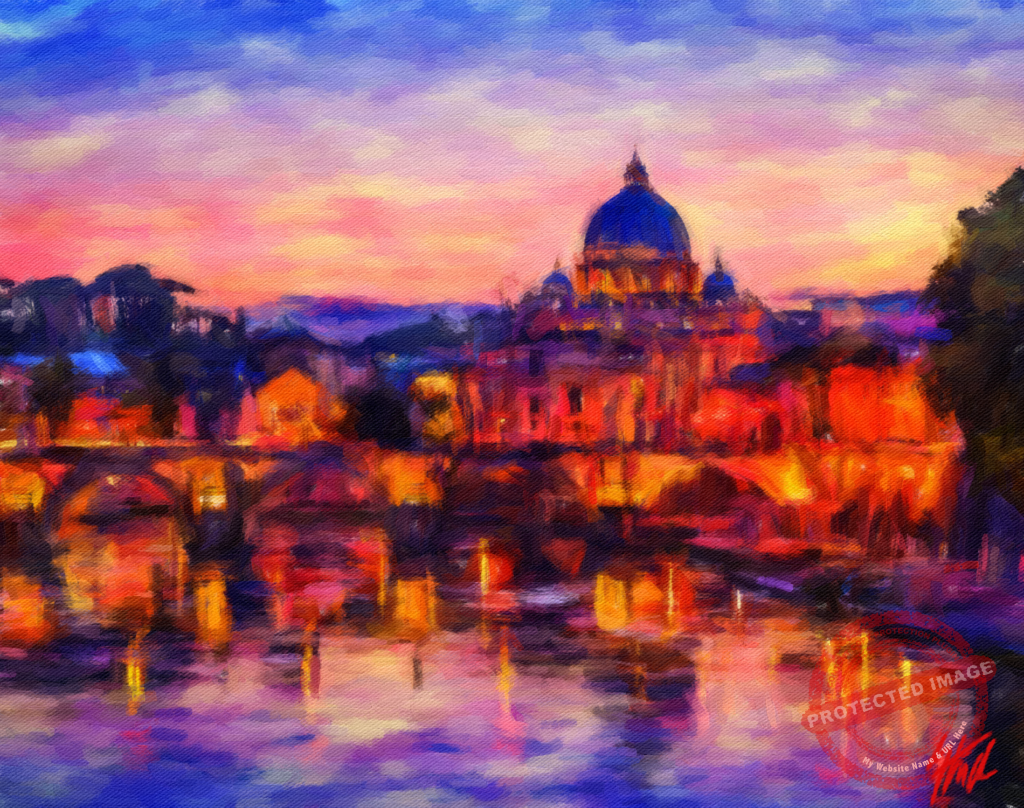
Rome
Rome, as the ancient capital of the Roman Republic and Empire from the 8th century BCE, shaped Western civilization through innovations in law, engineering, and governance, later becoming the Renaissance epicenter under papal patronage that fostered artistic masters like Michelangelo, while its Tiber River crossings and forums remain emblems of enduring imperial legacy and cultural rebirth.

Georgetown
Georgetown in Washington, D.C., founded in 1751 as a thriving tobacco port on the Potomac River predating the federal capital, became integral to early American trade and education with Georgetown University established in 1789, evolving into a historic district symbolizing the nation’s colonial mercantile roots and integration into the District of Columbia in 1871.

Chicago
Chicago, incorporated in 1837, rose as a pivotal transportation and industrial hub in the Midwest due to its Lake Michigan location and railroads, overcoming the devastating 1871 Great Fire to pioneer modern architecture with skyscrapers by figures like Louis Sullivan and hosting the transformative 1893 World’s Columbian Exposition that influenced urban planning nationwide.
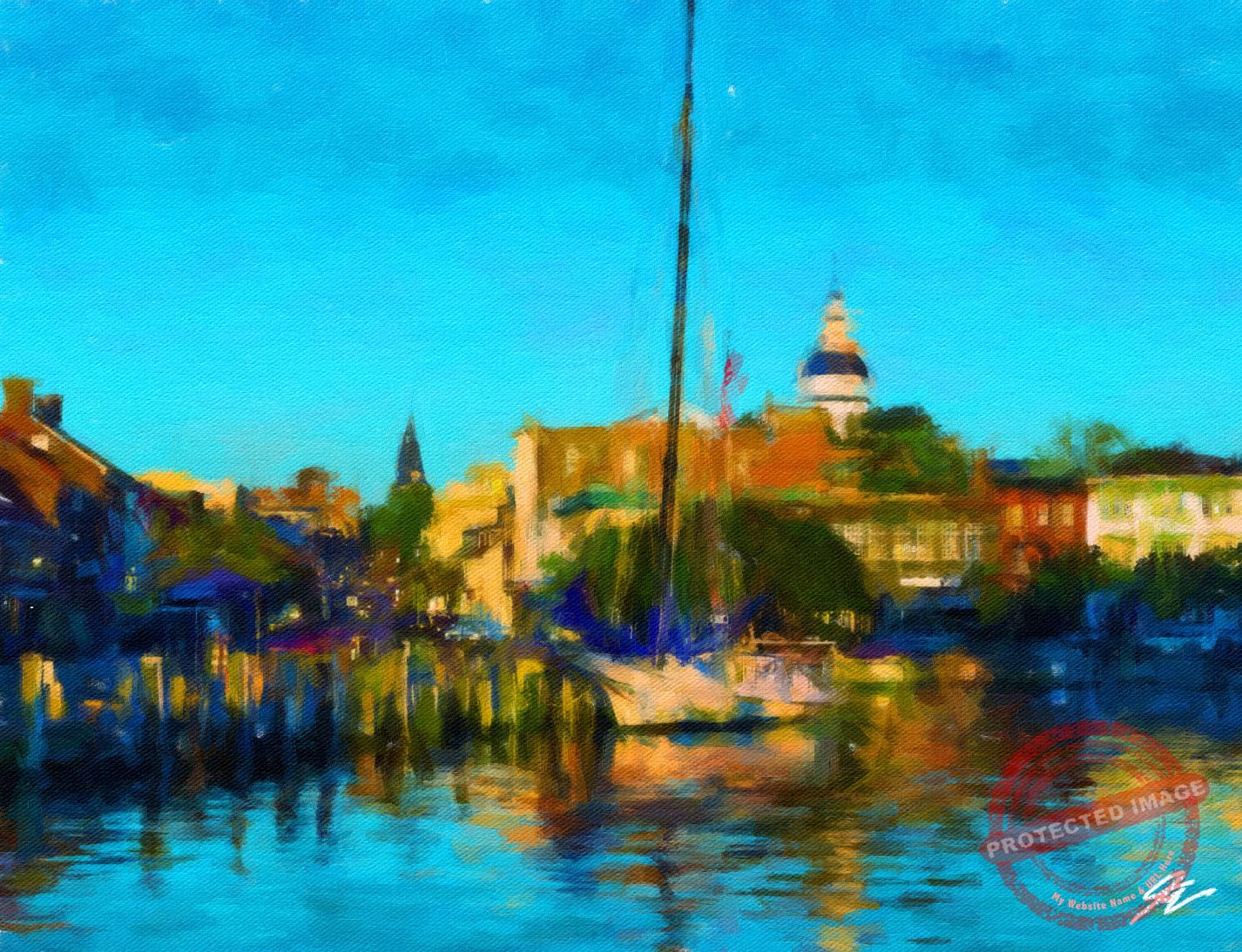
Annapolis
Annapolis holds historical importance as Maryland’s colonial capital from 1694, serving as the temporary U.S. capital in 1783-1784 where the Treaty of Paris ended the Revolutionary War and George Washington resigned his commission, later hosting the 1786 Annapolis Convention that paved the way for the U.S. Constitution, while also becoming home to the U.S. Naval Academy in 1845.
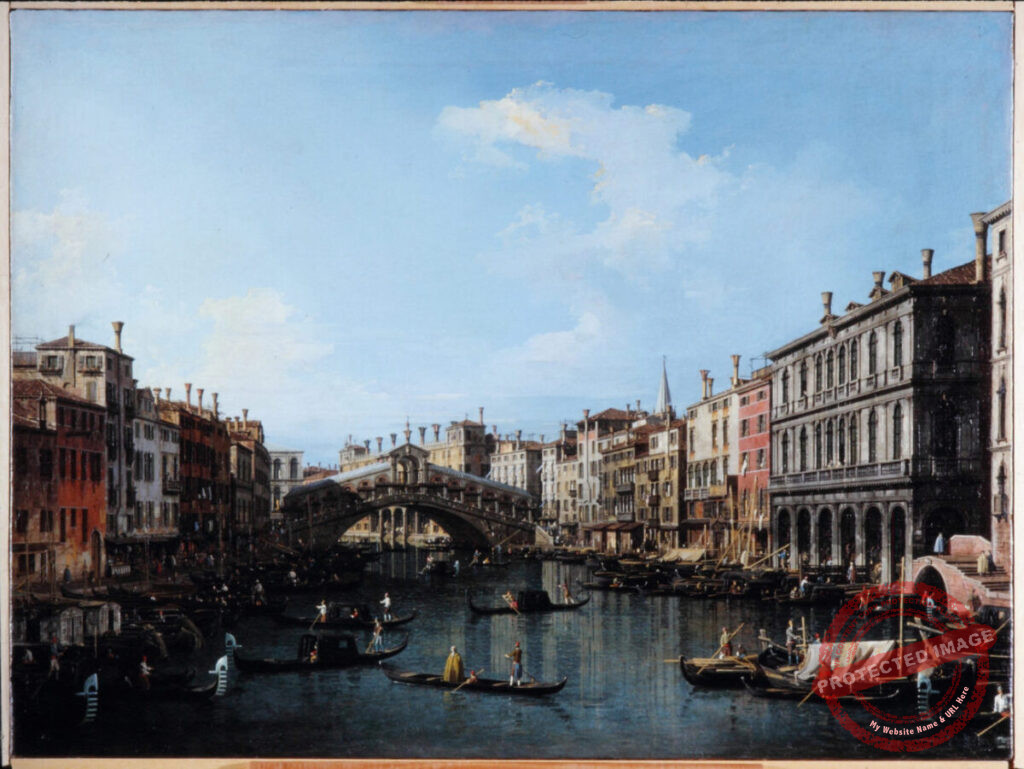
Historically significant as symbols of human achievement and resilience, these vistas—from Annapolis’s colonial harbors to Chicago’s lakeside skyline, Georgetown’s Potomac banks, and Rome’s Tiber bridges—have inspired artists for centuries by encapsulating narratives of exploration, trade, empire, and innovation, allowing painters like Canaletto in Rome or modern marine artists in Annapolis to explore themes of transience, power, and harmony between civilization and nature.
About The Author
