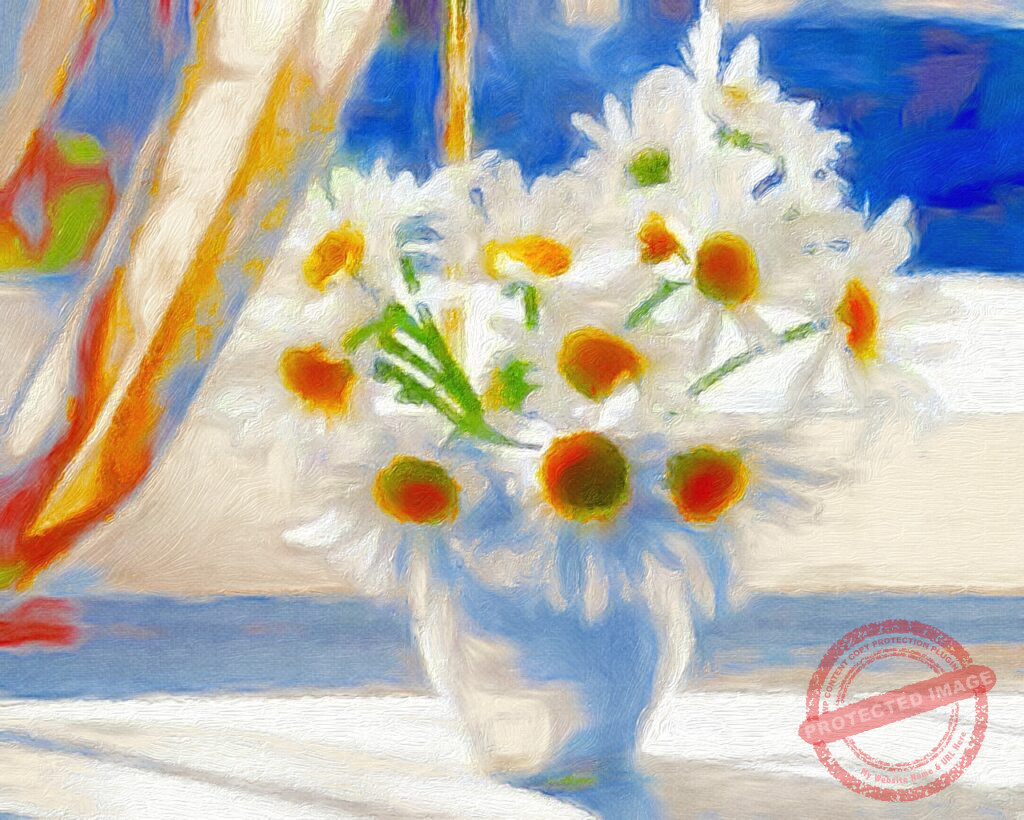
Flowers on The Sill
Still life painting, especially with floral elements, has ancient origins in Roman mosaics and medieval symbolic depictions within religious works, but it flourished as an independent genre during the 17th-century Dutch Golden Age in the Netherlands, driven by urbanization, booming trade, and a Protestant ethos that celebrated all aspects of creation.

The Flower Vase
Flowers in these settings often symbolized beauty, wealth, and life’s fleeting nature through vanitas motifs, incorporating exotic blooms from global exploration and botanical studies, as seen in early works that combined species from different seasons and continents for aesthetic and moral depth.

Cherry Blossoms
The genre evolved in the 19th century with Impressionists like Monet blending flowers into lively, light-filled compositions, and persisted into modernism and contemporary art, where abstraction and conceptual layers redefined its role in exploring transience, emotion, and cultural narratives.

The Lillies

Poppies
In contemporary works, Yayoi Kusama’s “Ready to Blossom in the Morning” (1989) transforms flowers into psychedelic, repetitive patterns exploring infinity and obsession, while Damien Hirst’s cherry blossom series (2018–present) uses preserved blooms to probe mortality in a modern context.

De Sonnebloemen van het Schildermanneke
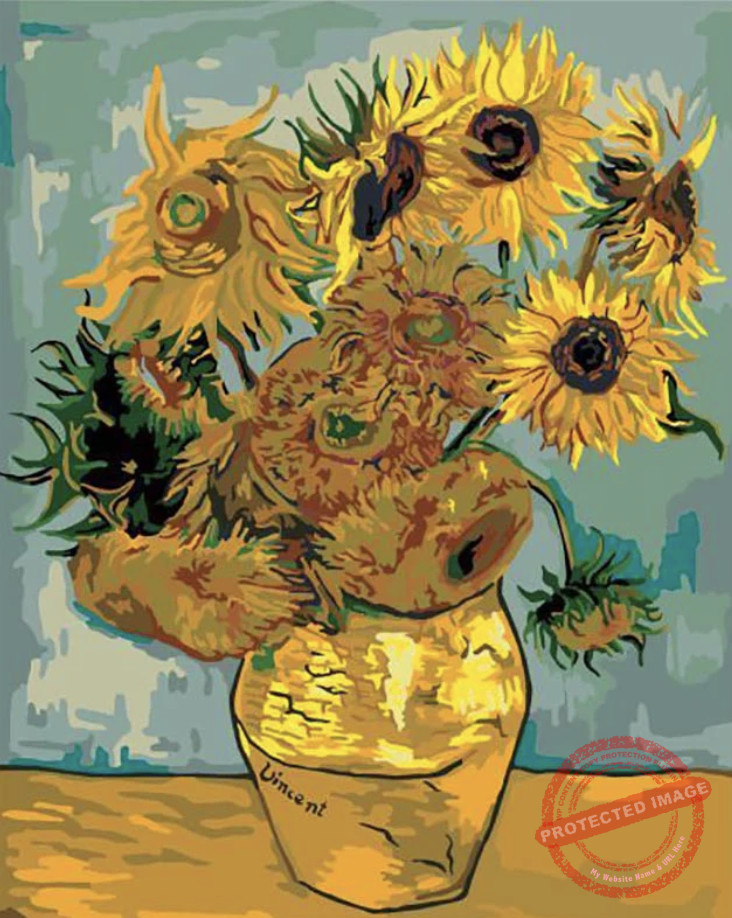
Vincent van Gogh’s “Sunflowers” series, painted in 1888 while in Arles, France, consists of vibrant still-life compositions featuring yellow sunflowers in vases, symbolizing gratitude, happiness, and his admiration for the flower’s resilience; created to decorate his home for Paul Gauguin’s visit, these works showcase Van Gogh’s bold impasto technique, expressive brushstrokes, and innovative use of color to convey emotional depth, influencing modern art profoundly.

Mom’s Flower Garden
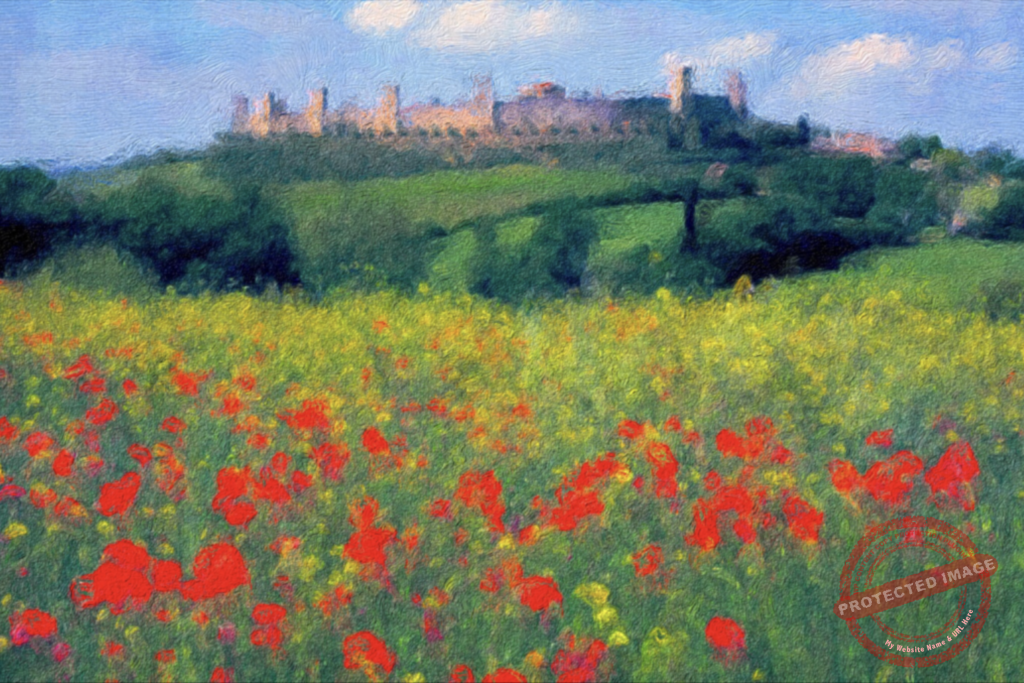
Tuscany in Bloom

Flower Fields
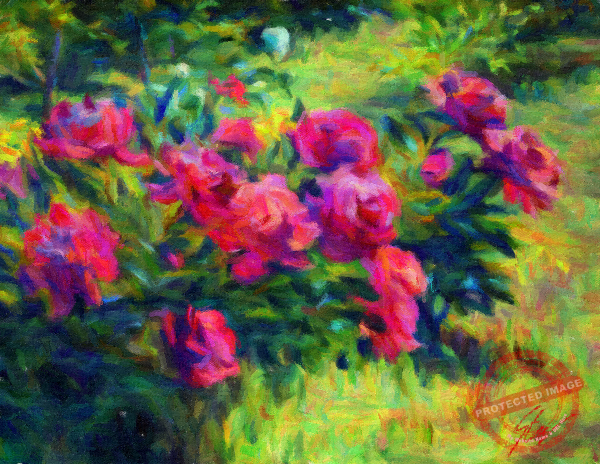
The Rose Garden

Spring Flowers
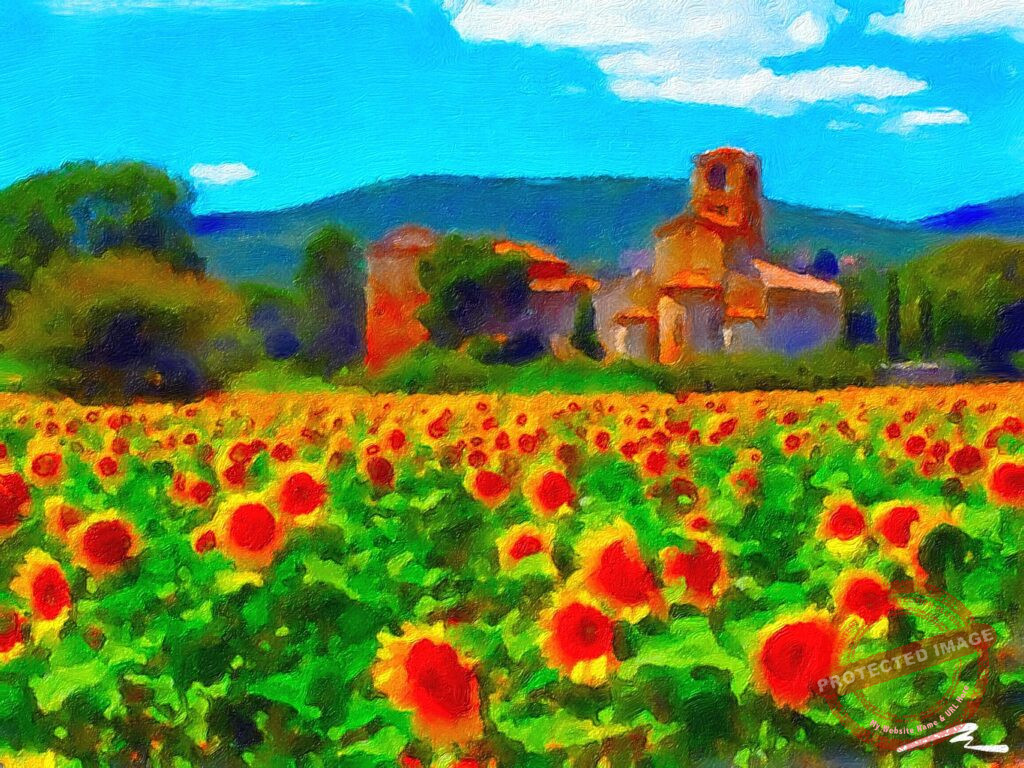
Mission Sunflower
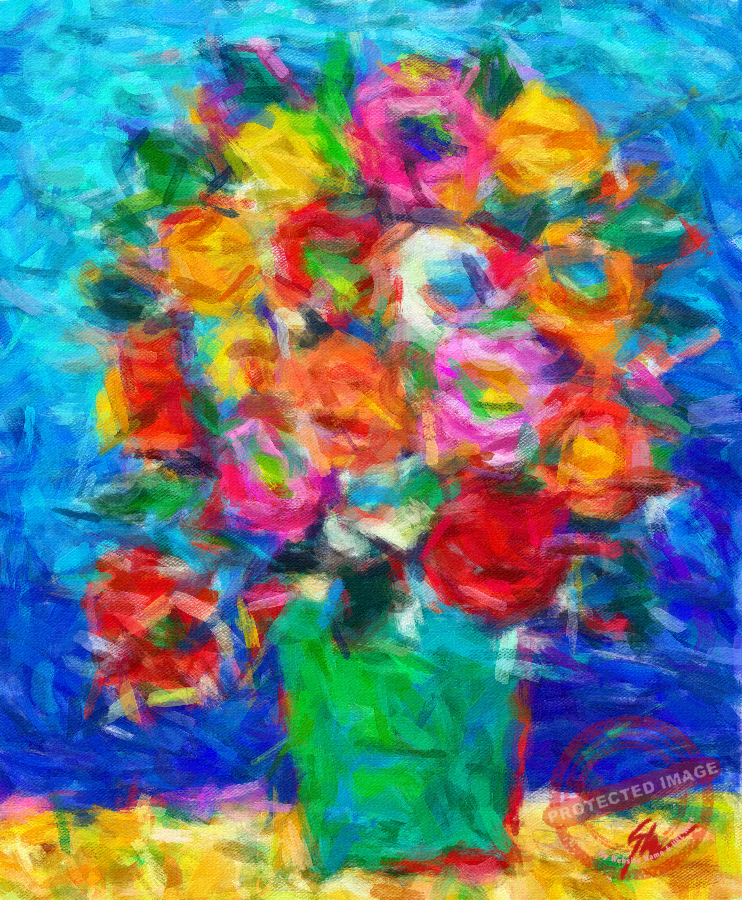
Il Vaso di Fiori
Among the most renowned classic floral still lifes are Rachel Ruysch’s “Vase with Flowers” (1700), a vibrant bouquet teeming with insects and symbolic decay; Jan Davidsz de Heem’s “Vase of Flowers” (c. 1660), bursting with colorful, dynamic blooms; and Vincent van Gogh’s “Sunflowers” (1888), evoking raw emotional intensity through bold yellows and textured petals.

Desert Rose
The desert rose is a common name for Adenium obesum, a striking succulent plant native to arid regions of Africa and the Arabian Peninsula, known for its vibrant, trumpet-shaped flowers that bloom in shades of pink, red, white, and yellow, often twice a year in spring and late summer.
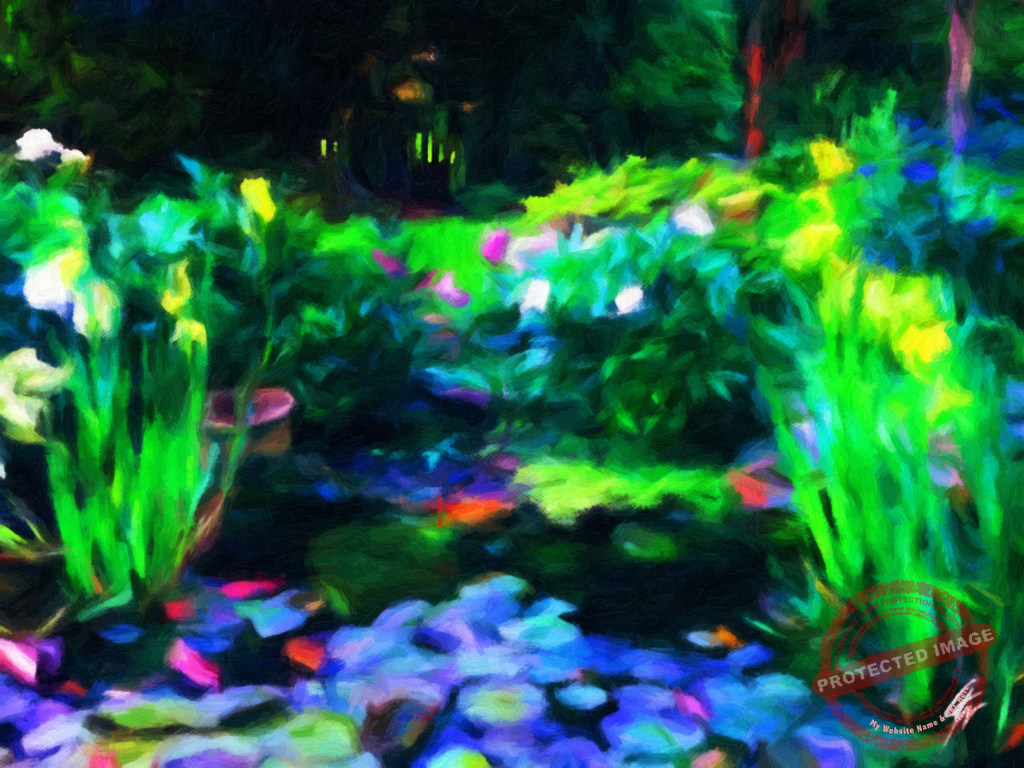
Backyard Pond
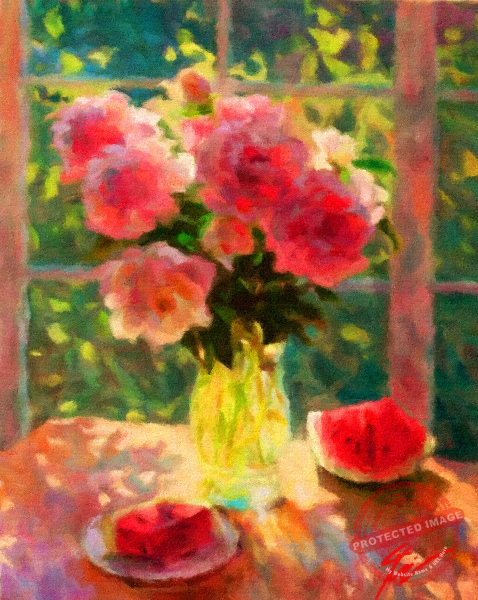
Roses in the Sun

The Arrangement
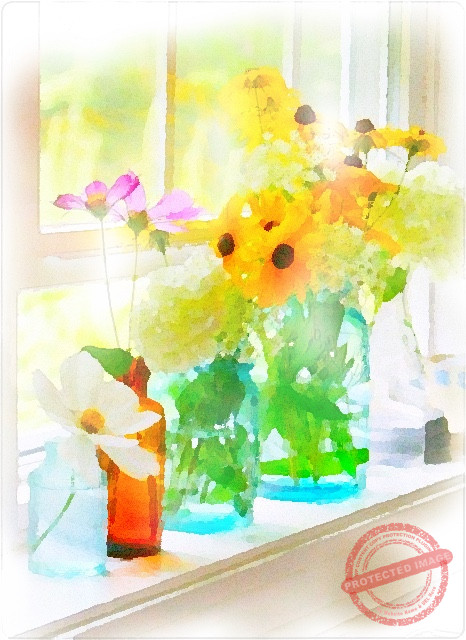
The Watercolor Arrangement
Watercolor painting in floral scenes traces its origins to ancient civilizations, where pigments mixed with water were used in cave art and Egyptian manuscripts, but it emerged as a refined medium during the Renaissance with artists like Albrecht Dürer creating meticulous botanical studies, such as his 1503 “The Great Piece of Turf,” capturing wildflowers and grasses with lifelike detail and transparency.
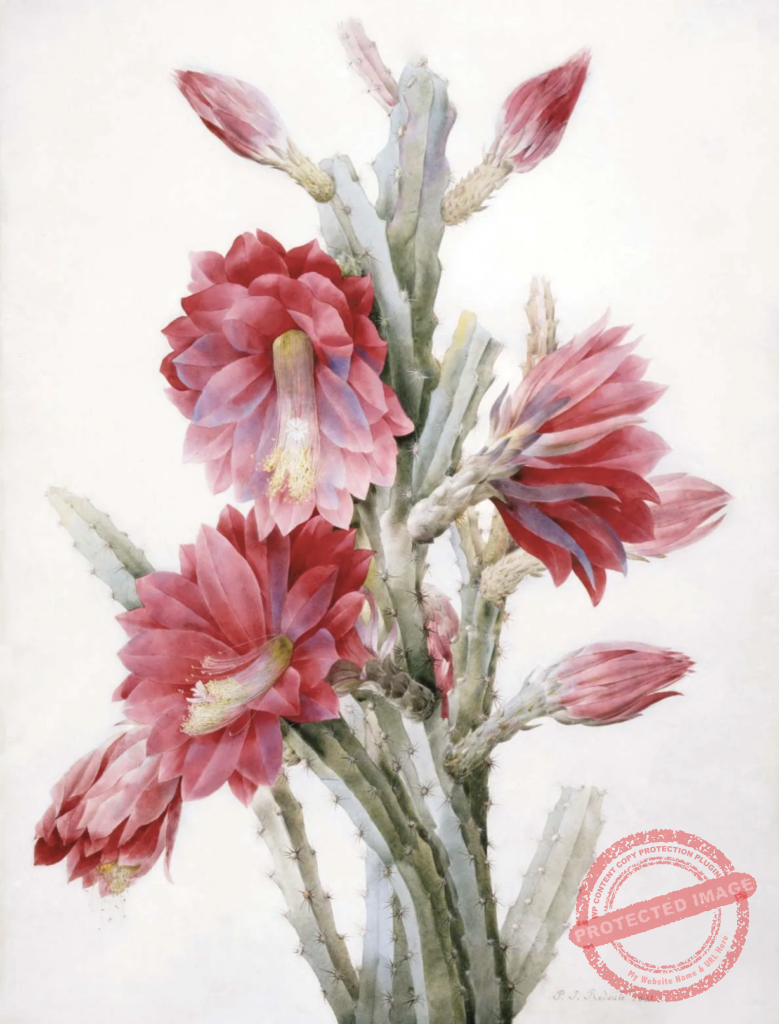
By the 17th century in the Low Countries, watercolor gained prominence for floral still lifes and illustrations, often pursued by women artists like Alida Withoos and Rachel Ruysch, who depicted vibrant bouquets and plants as symbols of beauty and transience, influenced by the era’s botanical fascination and trade in exotic flowers. The medium flourished in 18th- and 19th-century Britain and France through the English watercolor school, with figures like Pierre-Joseph Redouté producing exquisite rose illustrations in watercolor and gouache for scientific and aesthetic purposes, while Impressionists and Post-Impressionists like Claude Monet experimented with fluid, light-infused floral scenes (oil), evolving into modern abstractions by artists such as Georgia O’Keeffe, who magnified flowers in bold, sensual watercolors to explore nature’s forms and emotions.
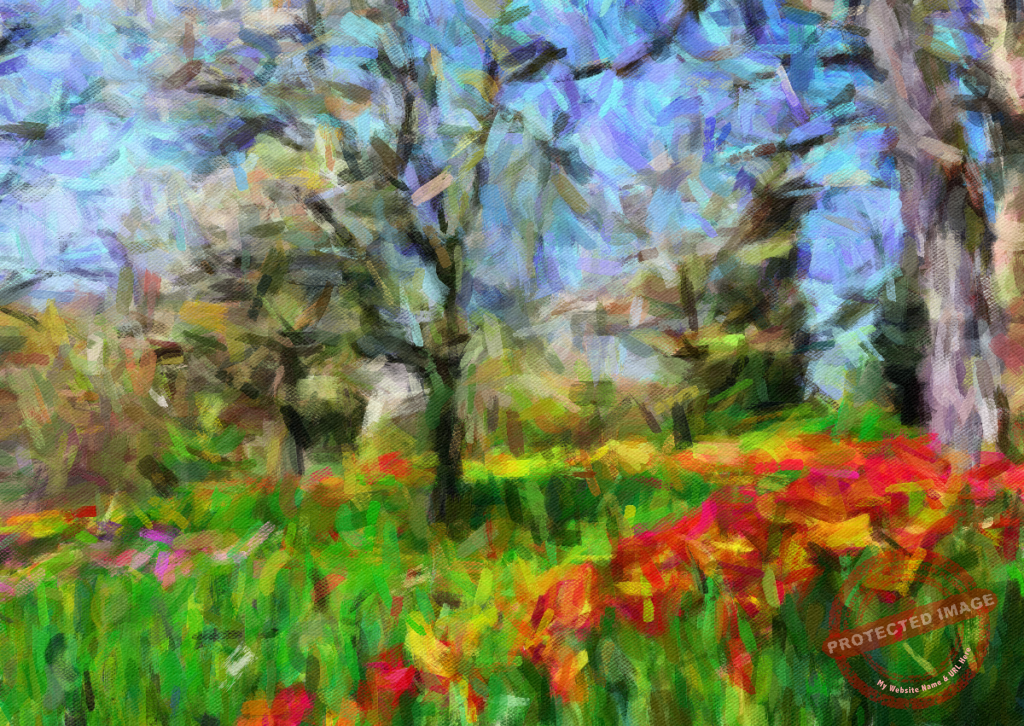
The First Flowers

Papaveri in Astratto
For abstract renditions, Georgia O’Keeffe’s “Oriental Poppies” (1928) magnifies flowers into sensual, large-scale forms that border on pure abstraction, emphasizing color and shape over realism.
About The Author
